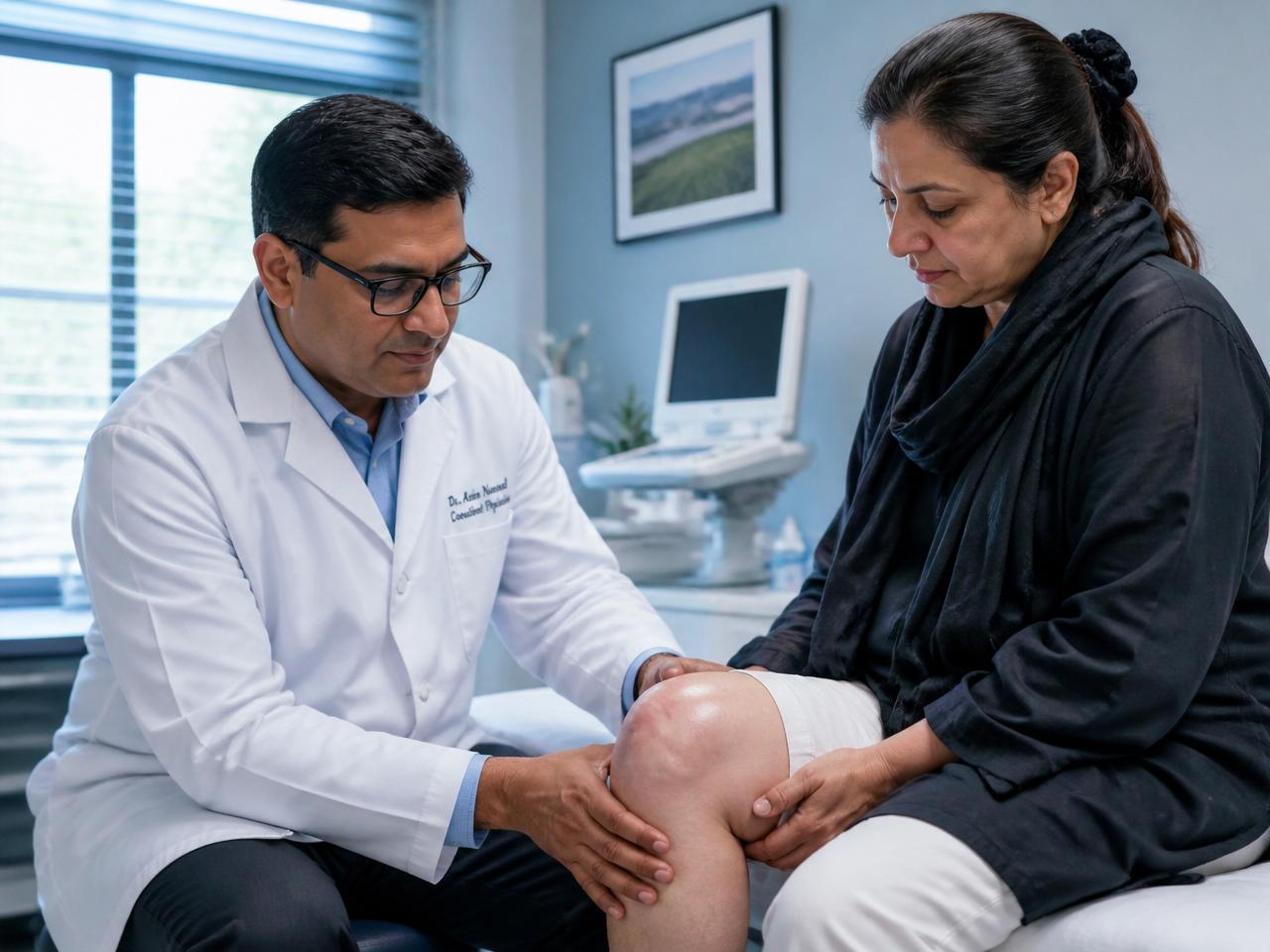
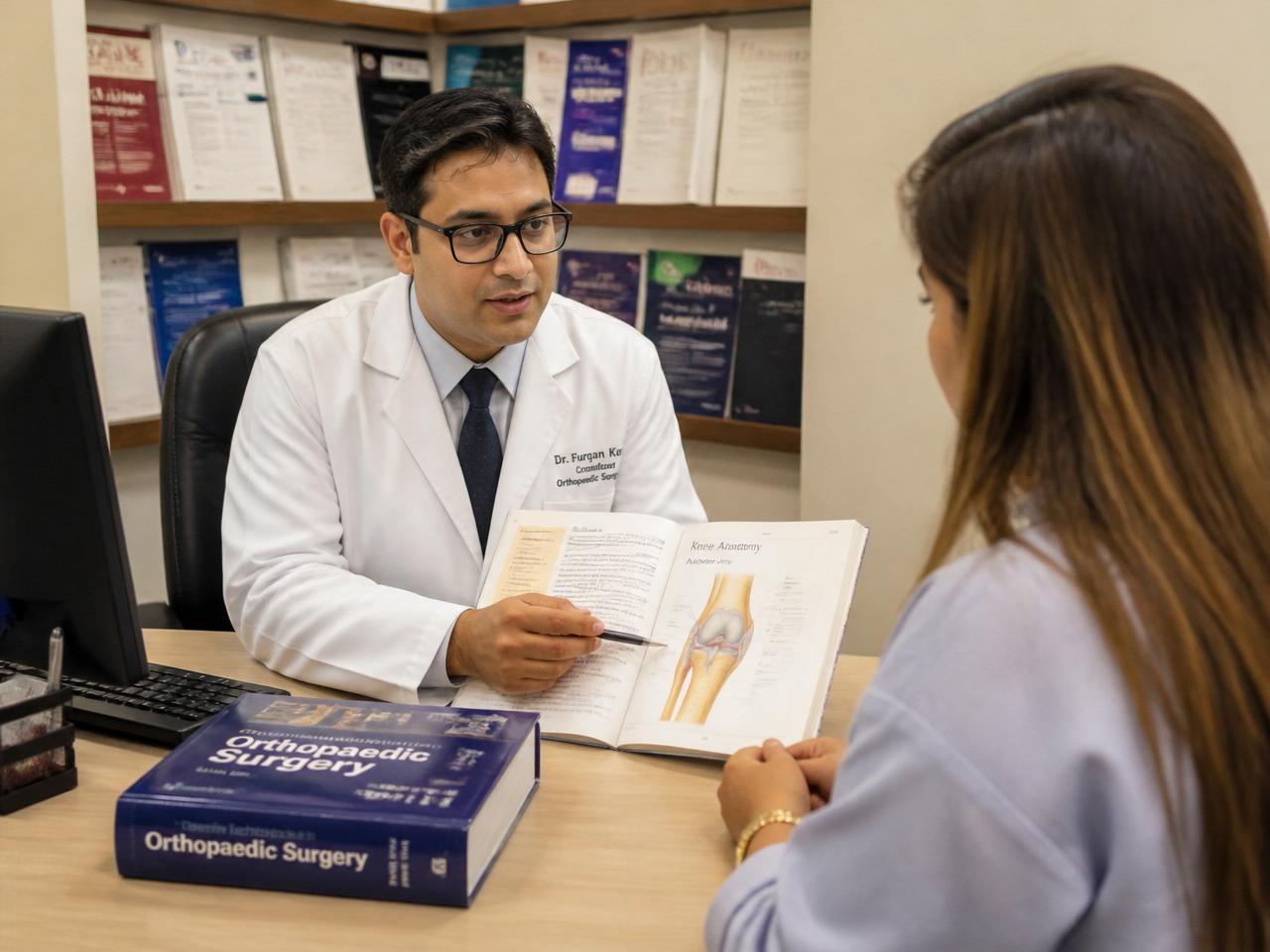
Osteoarthritis (OA) is a degenerative joint condition in which the protective cartilage cushioning the ends of bones gradually wears down. It most commonly affects the knees, hips, hands and spine. Modern rheumatology offers a wide range of joint-preserving therapies that reduce pain, restore movement and often delay or eliminate the need for joint replacement.
Symptoms
Deep, aching joint pain that worsens with activity
Stiffness after periods of rest, usually easing within 30 minutes
Reduced flexibility and range of motion
Grating or crackling sensation (crepitus) when moving the joint
Bony enlargement, especially in the fingers
Causes
Age-related cartilage wear
Previous joint injury or overuse
Obesity — excess weight accelerates knee and hip OA
Genetic factors influencing cartilage strength
Occupational stress on specific joints
Diagnosis
Clinical assessment of joint range and tenderness
X-rays to grade cartilage loss and bony changes
MRI for detailed evaluation when needed
Blood tests to exclude inflammatory causes
Treatment Options
Weight optimisation and physiotherapy programmes
Analgesics and topical anti-inflammatory therapy
Intra-articular hyaluronic acid or corticosteroid injections
Regenerative options such as PRP where appropriate
Surgical referral only when conservative care is exhausted
Lifestyle Advice
Maintain a healthy body weight
Choose low-impact activities like cycling and swimming
Strengthen the muscles that support the affected joint
Use supportive footwear and orthotics when recommended