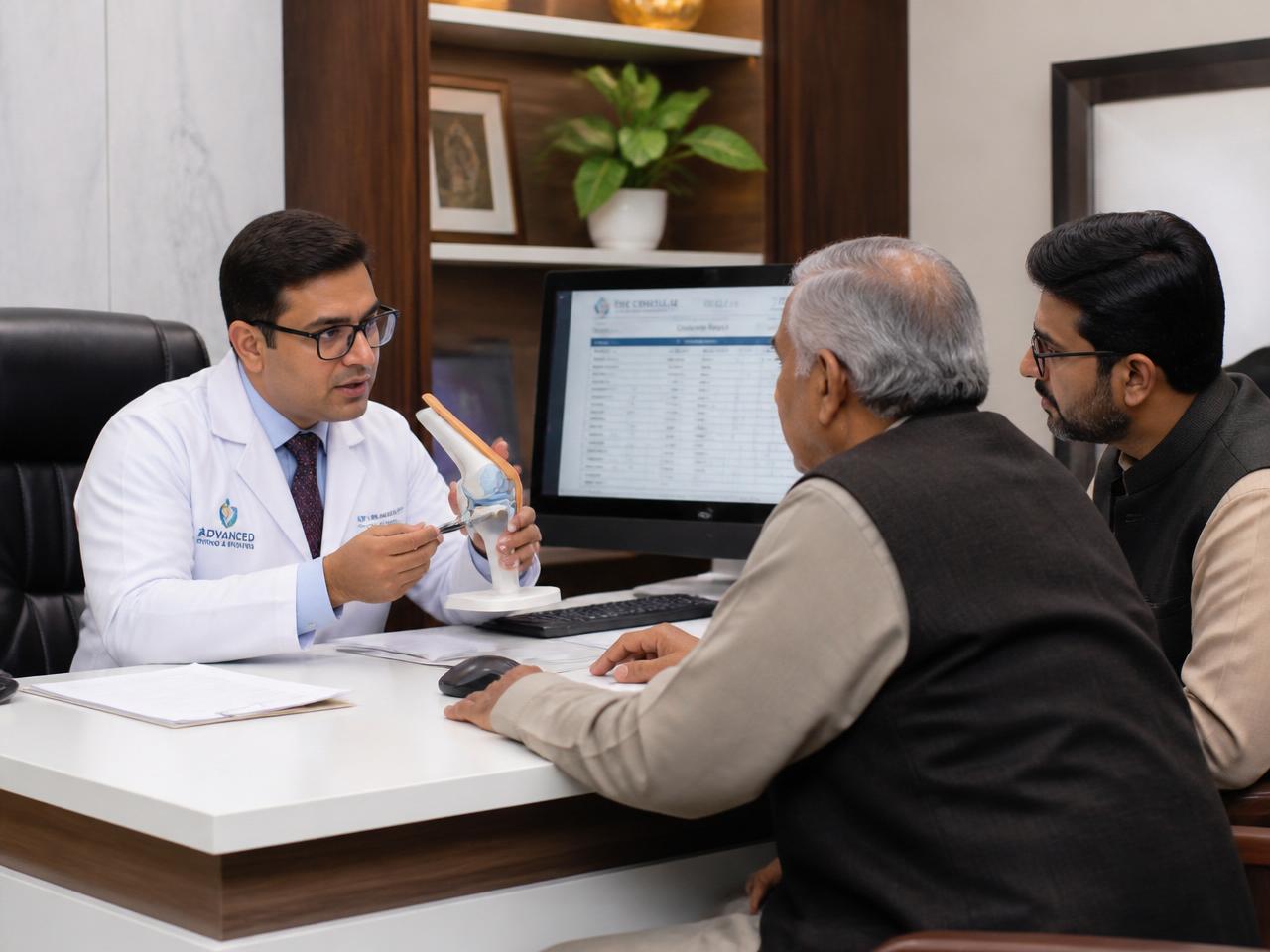
Osteoporosis is a progressive condition that weakens bone density and structure, dramatically increasing the risk of fractures — particularly of the hip, spine and wrist. Because it develops silently over years, screening is essential for women after menopause and men over 65. Modern therapies can not only halt bone loss but actively rebuild bone strength.
Symptoms
Often no symptoms until a fracture occurs
Loss of height over time
Stooped posture or curved upper back
Sudden back pain from a vertebral compression fracture
Fractures from minor falls
Causes
Post-menopausal oestrogen decline in women
Age-related bone loss in both sexes
Long-term steroid use or certain medications
Calcium and vitamin D deficiency
Family history, low body weight, smoking and heavy alcohol use
Diagnosis
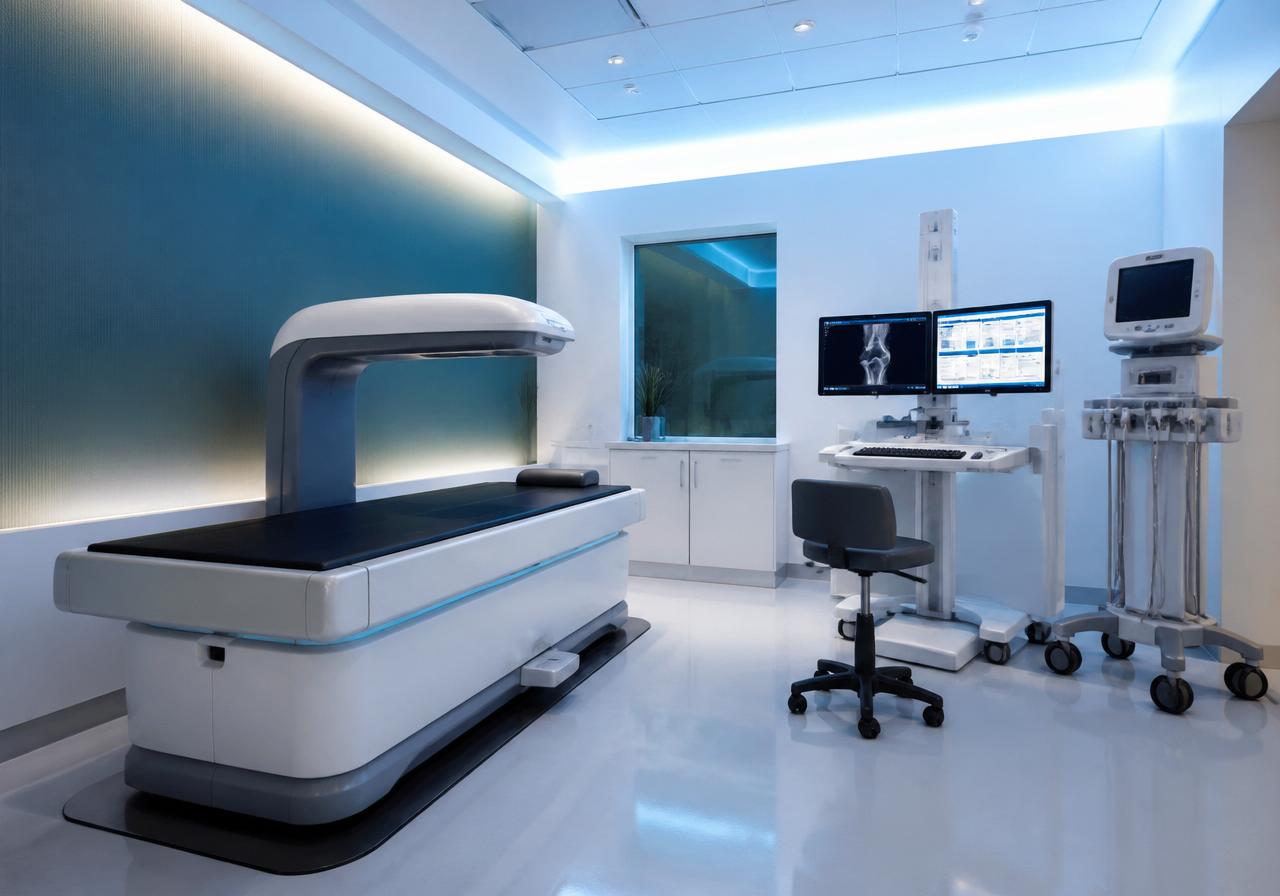
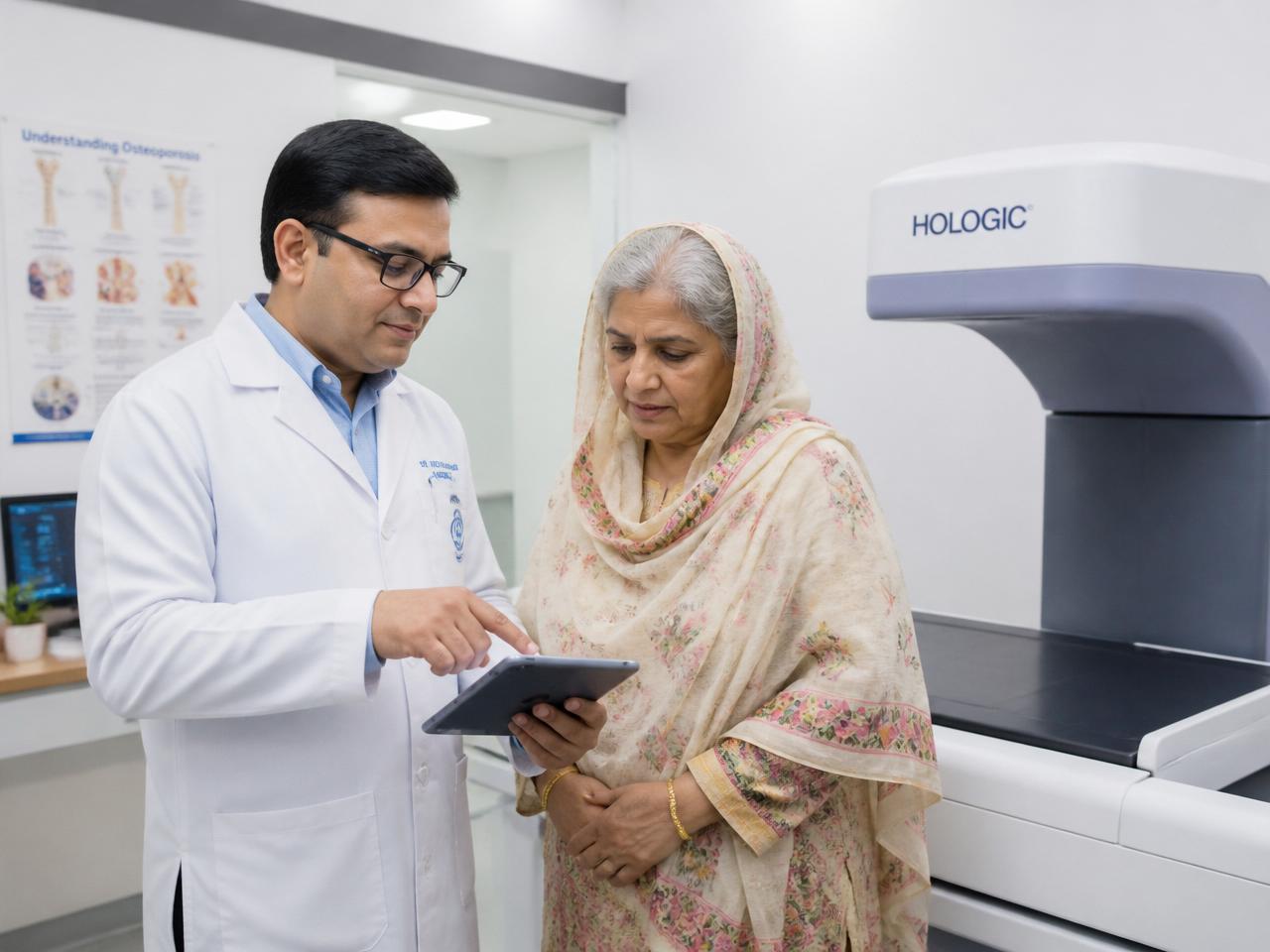
DEXA scan (Bone Mineral Density measurement) — the gold standard
FRAX 10-year fracture risk assessment
Blood tests for calcium, vitamin D and thyroid function
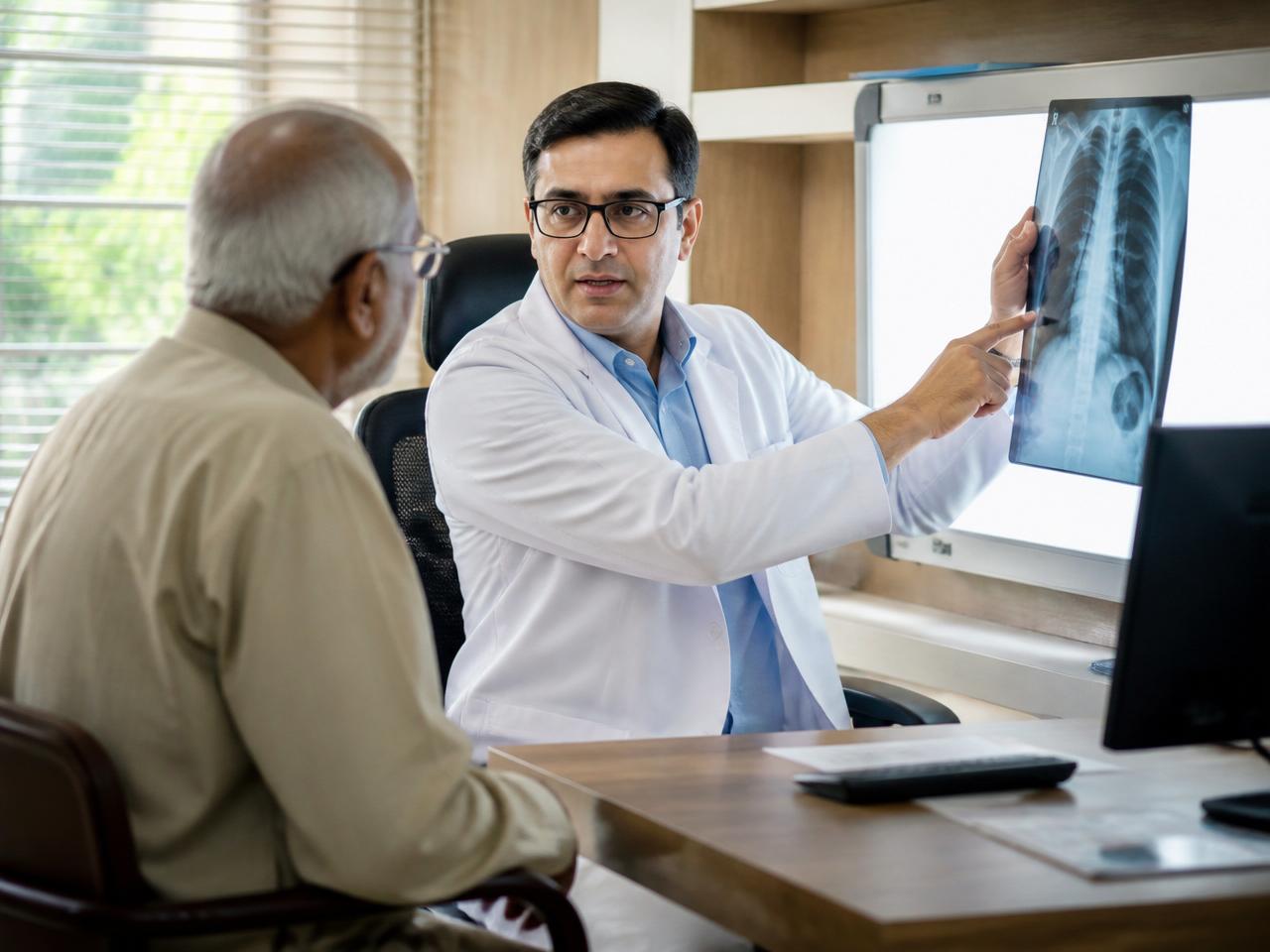
Vertebral imaging if compression fractures are suspected
Treatment Options
Bisphosphonates to reduce bone breakdown
Denosumab injections for high-risk patients
Anabolic agents (Teriparatide, Romosozumab) for severe cases
Adequate calcium and vitamin D supplementation
Fall-prevention strategies and posture training
Lifestyle Advice
Weight-bearing exercise — brisk walking, dancing, resistance training
Ensure daily calcium intake through diet or supplementation
Get sufficient safe sun exposure or supplement vitamin D
Stop smoking and limit alcohol
Make the home fall-safe — good lighting, secure rugs, grab bars